
Top money tips
simple ways to make your money go further
Smart money habits make all the difference.
From saving more to to cutting costs and making your money go further.
Here you’ll find simple, practical tips to help you save more, spend wisely, and stay on track with your financial goals.

Make A List Of Renewal Dates
This one simple habit can be a complete game changer for your finances.
Create a single list (or spreadsheet) of all your renewal and expiry dates, this keeps you organised, helps you plan ahead, and could save you hundreds each year.
What to Include on Your List
Contract Expiry Dates
Keep track of:
Mobile phone contracts
Broadband and TV packages
Subscriptions (especially those with free trials that auto-renew)
Gas and electricity tariffs
Knowing these dates gives you time to shop around for better deals before your prices go up.
Insurance Renewal Dates
Include all types of insurance:
Car
Home
Life
Pet or travel insurance
Start comparing prices at least a month before renewal and never let a policy auto-renew without checking first.
Driving Licence & Car Tax
Your driving licence must be renewed every 10 years. It’s a £1,000 fine if it expires while you’re still driving.
If you pay car tax annually, add that to your list too.
Mortgage Renewal Dates
If you’re on a fixed-term deal, add the end date to your list.
Start looking 3–6 months before it ends. A mortgage advisor could help you secure a better rate and save serious money.
Keep Your List Up to Date
Review it regularly and keep it alongside your budget or financial planner.
That way, you’ll get into the habit of checking both each month. Staying organised, avoiding surprises, and saving more in the long run.

Set Your long term Financial Plan
A goal without a plan is just a wish.
When it comes to building a healthy money mindset, short-term budgeting is only half the story. Having a long-term vision for your finances gives your daily money choices purpose and direction.
Why a Financial Plan Matters
Keeps you focused when motivation dips
Encourages realistic pacing (especially for big goals like paying off large debts)
Reminds you that small, consistent changes compound over time
Shifts your mindset from “survival mode” to strategic growth.
Think of it as your personal roadmap helping you stay on track, even when life throws challenges your way.
Write Down Your Financial Goals
Whether you’re working to become debt-free or starting to build savings, writing down your goals turns vague ideas into concrete plans.
Putting pen to paper gives your goals weight and keeps you accountable.
Goal-Setting Prompts:
What’s your total debt today?
How much do you want to clear in 1 year, 3 years, or 5 years?
Do you want to build an emergency fund, buy a house, or start investing?
What spending habits need to change to help you get there?
Top Tips
Keep your goals visible: on your phone, fridge, planner, or budget sheet.
Review them monthly as part of your budgeting routine.
Be patient. Progress takes time. Adjust your plan when needed, but keep your eyes on the bigger picture.
Remember: consistency beats perfection.
Pro Tip: Break big goals into smaller milestones so you can celebrate each win along the way.

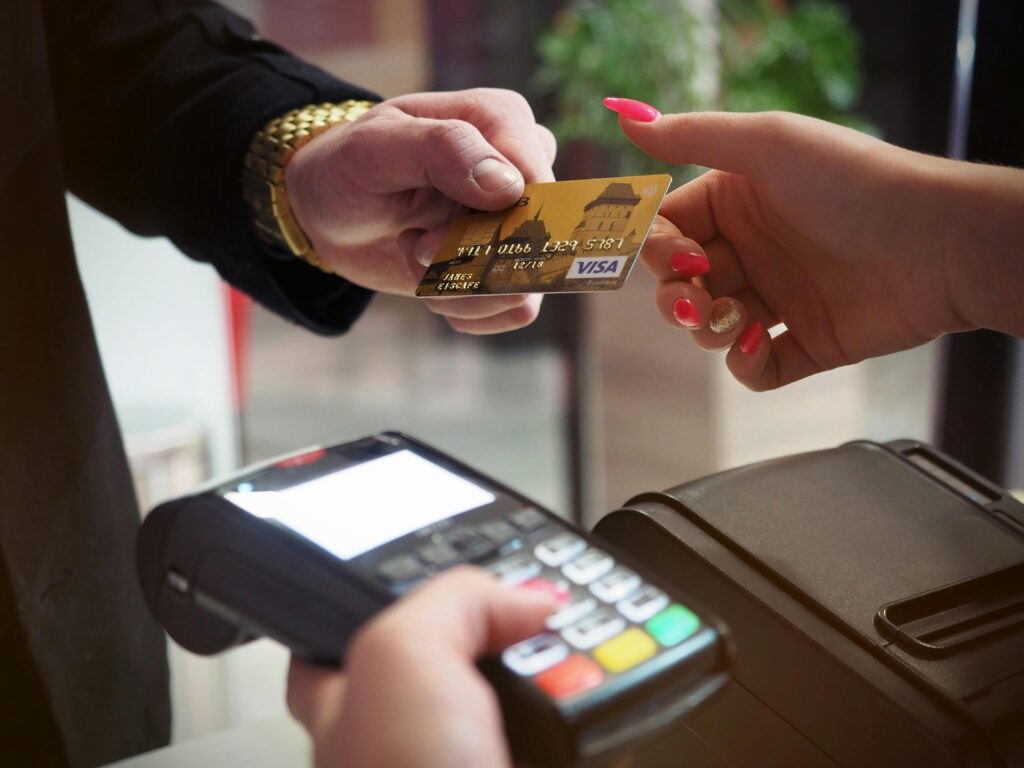
Credit cards can be useful tools when handled correctly, offering purchase protection, helping you build your credit score, and even earning cashback or rewards.
But they can also become a fast track to debt if not managed carefully.
Used Sensibly, They Can Help
For beginners, check out our Understanding Credit Cards page to learn how they work, the pros and cons, and how to use them responsibly.
Golden Rules for Credit Card Use
Never just pay the minimum payment.
This can keep you in debt for years and cost you far more in interest.
Clear the balance in full every month to avoid interest charges and make the most of any benefits or rewards.
Avoid using credit cards while paying off debt. It’s best to cut them up or store them away until your finances are back under control.
Stay disciplined. Credit cards should work for you, not against you.
Plan Your Repayments
Use our Credit Card Calculator to estimate how long it will take to pay off your balance and how much interest you’ll pay compared to making only the minimum payments.
Seeing the figures in black and white can be the motivation you need to tackle that debt head-on.
Overdrafts
An overdraft can feel like a safety net
But if you’re relying on it regularly, it might be a sign that your finances need a closer look. Understanding how overdrafts work can help you take steps toward clearing them and avoiding extra costs.
Why Overdrafts Can Be Expensive
Even though overdrafts are linked to your current account, they’re still a form of borrowing.
Interest and fees can add up quickly, especially if you stay overdrawn most of the month.
Unarranged overdrafts can lead to even higher charges or penalties.
Using an overdraft long-term can make it harder to get ahead financially.
The Debt Trap Cycle
It’s easy to normalise being overdrawn but it’s still debt.
Many people find themselves in a loop: their income brings the balance back to zero, but by mid-month they’re in the red again. Over time, this pattern can become stressful and limit progress toward other goals.
Impact on Your Credit Score
Regular overdraft use can affect how lenders view you.
Some lenders see consistent reliance on an overdraft as a sign of financial strain, which could impact your chances of getting future credit, such as a mortgage or loan.
Moving Toward a Positive Balance
Becoming overdraft-free gives you a clean slate at the start of each month, making it easier to budget, save, and reduce money-related stress.
Here are some practical steps to help you move in that direction:
Top Tips:
Include overdraft repayments as part of your monthly budget.
Contact your bank, some offer lower interest rates or short-term support.
Use small savings, side income, or sinking funds to chip away at the balance gradually.
Once it’s cleared, cancel or reduce your overdraft limit to remove the temptation to use it again.

know Your Credit Score
Checking your credit score is free and easy and it gives you a clear snapshot of how lenders might view your credit history.
Your credit report shows your borrowing behaviour, repayment record, and overall reliability when it comes to managing credit. It’s a useful tool to understand your financial profile, especially if you plan to apply for credit in the future.
How Your Credit Score Works
“Your credit score isn’t about how well you budget, it’s about how you manage credit.”
A solid budget helps your finances overall, but your credit score is based on how you’ve handled credit products like loans, cards, or mortgages in the past.
What Affects Your Credit Score (UK)
1. Credit Card Balances & Payments
Carrying high balances close to your limit can lower your score.
Making only minimum payments may signal risk to lenders.
Clearing your balance in full each month demonstrates reliability.
2. Loan Repayments
On-time payments build trust with lenders.
Missed or late payments can reduce your score and stay on record for years.
Set up direct debits to stay consistent.
3. Payment History
This is one of the biggest factors in your credit score.
Even one missed payment can leave a mark.
Regular, timely payments show lenders you can manage commitments responsibly.
4. Credit Utilisation
This is the percentage of your available credit you’re using.
Staying below 30% is generally seen as responsible (e.g., using less than £600 of a £2,000 limit).
High utilisation can suggest financial strain.
5. Public Records
CCJs, bankruptcies, and IVAs stay on your file for up to six years.
These can seriously impact your score, so it’s important to address them as early as possible.
6. Credit Applications
Every application creates a hard search on your report.
Too many in a short period may lower your score temporarily.
Soft searches (used by eligibility checkers) don’t affect your score.
Keep Perspective
Don’t get too caught up in the exact number. What matters most is building positive habits over time.
Checking your score regularly helps you spot errors and track your progress.
You can get your free credit score and report from:
Experian
ClearScore
Credit Karma

Banking Fees
Banking should help you manage your money, not quietly eat away at it with hidden or avoidable charges. Here are a few things to keep in mind to help you keep more of your hard-earned cash:
Be Wary of Premium Banking Perks
Some current accounts charge a monthly fee often between £10–£20 in exchange for added benefits such as insurance or rewards.
Before paying for one of these “reward” or “packaged” accounts:
Check whether you’re actually using all the perks included (for example, phone insurance or travel insurance).
Compare what it would cost to buy those benefits separately as you might find it’s cheaper elsewhere.
Review the terms carefully to ensure it suits your needs.
Reward Accounts
Some banks offer accounts that pay a small monthly reward if you meet certain criteria, such as paying in a minimum amount or setting up direct debits.
Before switching, always check the eligibility rules and whether there are any associated fees or conditions that could outweigh the benefit.
Avoid Paying to Use Your Money Abroad
Foreign transaction and ATM fees can add up quickly.
When using your card overseas:
Look for cards that offer fee-free spending or withdrawals abroad some digital and challenger banks may provide this option.
Always choose to pay in the local currency rather than letting a shop or ATM convert it for you. This usually gives you a fairer exchange rate.

Bank Account Switching
Many banks both high street and online occasionally offer cash bonuses (often between £100–£200) when you move your current account to them.
Why Do Banks Offer This?
It’s simple: they want your business.
Offering a switching bonus is often cheaper for banks than running expensive advertising campaigns, so it’s their way of attracting new customers.
How It Works
Open a new current account with a bank that’s running a switching offer.
Use the Current Account Switch Service (CASS) this automatically transfers your direct debits, standing orders, and balance for you.
Meet the offer conditions, which might include:
Paying in a set amount each month.
Logging into online banking or the app.
Setting up a few direct debits.
Receive your bonus, typically within a few weeks of meeting all the terms.
Before You Switch
Check whether the offer is for new customers only. Some exclude people who’ve had an account with that bank before.
Make sure you understand the monthly requirements (like minimum pay-ins).
Confirm whether your old account will be automatically closed once the switch completes.
Remember: these offers often change or end quickly, so always read the latest terms on the bank’s website before applying.
A Handy Extra, Not a Strategy
Switching accounts can be a simple way to earn a little extra money, perhaps to boost savings or reduce small debts, but it’s not a long-term income source.
Some people open multiple secondary accounts to qualify for different offers, but this only works if you carefully manage the requirements and avoid missing payments or fees.

Mobile Phones
Do You Really Need the Latest Phone?
Before upgrading, ask yourself if your current phone still does the job.
Many people find they can easily keep their phone for two to three years (or longer) and simply switch to a SIM-only deal.
With some new phones now costing over £1,000, upgrading every year or two can seriously eat into your budget, especially when the main differences between models are minor.
Know When Your Device Plan Ends
When your mobile contract ends, the device payment portion is usually paid off but many companies keep charging the same monthly amount unless you switch plans.
Check your contract end date and the amount owed on your device.
Once the handset is fully paid, consider moving to a SIM-only plan.
Doing so ensures you’re not paying over the odds for a phone you already own.
Shop Around for the Best Deal
Whether you’re renewing your device plan or going SIM-only, take a few minutes to compare offers from different networks.
If you find a better price elsewhere, ask your current provider to match or beat it. You might be surprised how often they do.

Subscriptions
We’re not here to say cancel everything but it’s worth asking whether you’re truly getting value from each subscription.
Saving £5 a month might not sound like much, but that’s £300 over 5 years per subscription!
If you have several that you barely use, those small amounts can really add up over time.
TV & Streaming Services
Instead of paying for two or three at once, consider rotating your subscriptions.
Watch everything you want on one platform, then pause it and switch to another the next month.
You’ll still enjoy the shows you like without paying for ones you’re not using.
Gym Memberships & Other Services
Ask yourself:
Am I getting my money’s worth?
Would it work out cheaper to pay per visit instead of a monthly fee?
Sometimes flexibility saves more than commitment.
Free Trials & Renewal Reminders
If you sign up for a free trial, set a reminder in your calendar to cancel it before it renews.
Subscriptions are designed to be “forgettable,” so it’s easy to lose track of them.
A quick monthly check of your active subscriptions can help ensure you’re only paying for what you truly use and enjoy.

Planning your weekly shop can save you a surprising amount of money. A little time spent writing a list, checking what you already have, and planning meals for the week can cut waste and keep your budget on track.
Read our full guide on how to plan the weekly shop and start saving straight away.

use price comparison sites
Cutting costs doesn’t have to mean cutting corners, sometimes it’s simply about shopping smarter.
Price comparison sites can help you quickly check deals, renewals, and contracts so you’re never overpaying for the same service.
Below are some of the UK’s leading and most trusted comparison sites:
Energy & Utilities
Uswitch Compare gas, electricity, broadband, and more.
Compare the Market Well known for energy, broadband, and insurance deals.
MoneySuperMarket A big brand that covers everything from utilities to mobile and credit cards.
Car & Vehicle Insurance
Confused.com Fast quotes from dozens of car insurers.
GoCompare Includes handy features such as a free MOT checker and coverage comparisons.
Life, Travel & Home Insurance
MoneySuperMarket Compare life, travel, home, and pet insurance.
Compare the Market Great for bundled or multi-policy deals.
Credit Cards & Loans
MoneySavingExpert Offers “best buy” tables and clear, impartial guides.
Uswitch Compare credit cards and personal loans side by side.
Broadband & Mobile
Uswitch Compare broadband, mobile contracts, and SIM-only deals.
Cable.co.uk Specialist site for broadband, TV, and phone bundles.
Shopping & Everyday Spending
Idealo.co.uk Compare prices for thousands of products online.
PriceSpy.co.uk Track price history and find the best time to buy.
Quick Tip:
Most of these sites allow you to create a free account so you can log in later and recheck prices in seconds, great for renewals and annual reviews.

Cashback won’t make you rich overnight, but it can make a noticeable difference over time. When you shop through cashback sites or apps, they pay you a small percentage back from the retailer’s commission. It’s an effortless way to earn a little extra on purchases you were already planning to make.
Why Use Cashback Apps?
You earn money on everyday spending from groceries to insurance renewals.
Many apps offer sign-up bonuses or referral rewards.
Cashback can be withdrawn to your bank or PayPal, or sometimes used as vouchers.
Tip: Always check if cashback is available before making a big purchase: you’d be surprised how often it is.
See our recommended cashback apps and sign-up offers.

Reward apps work similarly to cashback but often focus on in-store shopping rather than online purchases.
Instead of paying through a website, you earn rewards or discounts when you buy vouchers through the app and then use them in-store or online.
Why Try Reward Apps?
Earn money or gift cards while shopping at your favourite retailers.
Some offer bonus points for first-time users or referrals.
Great for regular purchases like coffee shops, supermarkets, and fuel.
Again, it’s not life-changing but over time, it’s an easy way to collect small wins that add up.

check you’re paying the right Tax
We’re all taxed enough so it’s worth making sure you’re not paying more than you should.
At the same time, it’s just as important to check you’re paying enough to avoid an unexpected tax bill later.
This applies to everyone, not just those who are self-employed.
Here’s how to stay on top of it:
Check your tax code and make sure it matches your situation.
Review your payslips for any unusual deductions.
Use the official GOV.UK website or the HMRC app to view your tax details, estimated income, and any open claims or refunds.
Visit GOV.UK to check your tax code
Tax Relief & Tax credits
You might be entitled to tax relief or credits for work-related expenses and many people don’t even realise it.
If you’re eligible, you could even backdate claims for up to four tax years.
Examples of possible tax reliefs include:
Working from home expenses.
Uniforms, work clothing, and tools.
Using your own vehicle for work.
Professional fees and memberships.
Travel and overnight expenses.
Buying necessary work equipment.
Always check official sources to confirm your eligibility and claim safely: Check tax reliefs on GOV.UK
council tax
Did you know hundreds of thousands of UK households are in the wrong council tax band?
If your property is in the wrong band, you could be overpaying by hundreds (or even thousands) of pounds and may be due a refund backdated to when you first moved in.
Here’s what to do:
Check your current band using the GOV.UK Council Tax Band Checker.
Compare your property’s band to similar homes nearby.
If something looks off, you can challenge it online.
Check your Council Tax band on GOV.UK

Get yourself insured
Life Insurance & Critical Illness Cover
Whether or not you have a spouse or dependants, you are your biggest financial asset. It’s important to consider what would happen if you were unable to work due to illness or worse.
Having the right level of life insurance or critical illness cover ensures that you or your loved ones are financially protected if the unexpected happens.
It’s never pleasant to think about, but the peace of mind it provides can be worth far more than the small monthly cost.
This type of cover can help:
Replace lost income if you can’t work.
Support your family with bills, mortgage payments, or childcare.
Prevent financial strain during an already difficult time.
For more information, visit trusted providers or comparison sites or speak with a qualified adviser if you need help understanding the options.
Never Let an Insurance Auto-Renew
Auto-renewal might seem convenient, but it often means paying more than you need to.
Before any renewal date for home insurance, car insurance, energy, or broadband, always check if you can find a lower price.
Spending a few minutes to compare policies could save you hundreds of pounds each year.

Insurance for your pets
On the subject of insurance… unexpected vet bills can be eye-watering, and they often come out of nowhere.
For just a few pounds a month, pet insurance can offer peace of mind knowing you’re covered if your pet becomes ill or injured.
It’s often cheaper than people expect, and there are plenty of flexible options depending on your pet’s age, breed, and your budget.
Before taking out any policy, use a price comparison site to compare cover levels, excess amounts, and exclusions not just the monthly cost.

Wills aren’t just for the elderly or the wealthy, they’re for anyone who wants to make things easier for their loved ones.
Having a legally valid will ensures your money, property, and possessions go where you want them to, while also helping to avoid family disputes and unnecessary delays.
It’s also worth setting up a Power of Attorney, so someone you trust can make decisions on your behalf if you’re ever unable to.
Read more about making a will and Power of Attorney.

Stay Wise Against Scammers
Theft is the most common crime in the UK and these days, it often happens through a screen rather than a smashed window.
From scam texts and phishing emails to fake investment schemes and cloned bank cards, fraudsters are always finding new ways to target your money.
Knowing what to look for is the best defence.
Common Types of Scams
Phishing – Fake emails or texts pretending to be from your bank, HMRC, or delivery companies.
“Too Good to Be True” Deals: Fake online shops or ads selling products at unbelievable prices.
Investment Scams: Unregulated “get rich quick” schemes in crypto, forex, or property.
Romance Scams: Fake online relationships designed to build trust and then ask for money.
Loan Fee Fraud: You’re charged an upfront “fee” for a loan that never appears.
How to Protect Yourself
Never share your passwords, PINs, or security codes with anyone.
Be cautious of unsolicited calls, emails, or texts even if they look official.
Check web addresses and spelling carefully as scammers often use similar-looking domains.
Watch for urgency or pressure, legitimate companies will give you time to decide.
When shopping online, consider using a credit card for added purchase protection.
Helpful Tools
Action Fraud (UK) Report scams and find official advice.
Which? Scam Alert Service Free alerts on new and trending scams.
Barclays Fraud Hub Up-to-date information on common scams and how to avoid them.

Disclaimer
The content on this website is for educational purposes only and does not constitute personal financial advice. Financial rules, tax laws, and market conditions can change, and outcomes will vary depending on your circumstances.
Before making any financial decisions about savings, pensions, investments, loans, or business ventures, you should seek independent professional advice. Past performance is not a guarantee of future results.
Links to third-party websites are for convenience and educational purposes only; we do not endorse or take responsibility for their content.