
building wealth
Debt-Free Is the Starting Line!
Not the Finish Line
Many people think that once they’re debt-free and have a safety net in place, the journey’s over. But the truth is, that’s just the beginning.
Becoming debt-free gives you two priceless things:
Choice: You’re no longer tied down by repayments or financial stress.
Momentum: You’ve already built the habits of discipline, focus, and consistency that create lasting success.
Now comes the exciting part: using that freedom to build wealth, grow your confidence, and create the future you truly want.
In this section, we’ll explore simple, practical ways to turn your financial stability into genuine long-term wealth without losing the balance and mindset that got you here.

The typical path to wealth
Getting out of debt is a huge milestone.
But where do you go next?
Many financial experts and money coaches recommend following a simple, step-by-step path that helps you build lasting financial security and confidence with money.
1. Learn how to budget properly
Take control of your money instead of wondering where it disappears each month.
A good budget isn’t about restriction, it’s about freedom.
When you know exactly where your money’s going, you can start directing more of it towards your goals.
2. Start Your Emergency Fund
Before doing anything else, set aside some cash for life’s unexpected surprises.
Even £500–£1,000 can stop you from falling back on credit cards when the car breaks down or the boiler gives up.
3. Organise Sinking Funds
Plan ahead for the irregular expenses that always seem to pop up: car repairs, holidays, Christmas, birthdays.
Setting aside small amounts each month keeps these from turning into debt traps later on.
4. Pay Off Bad Debt
High-interest debts like credit cards, payday loans, and store finance quietly drain your wealth.
Focus on clearing these as quickly as possible. The financial freedom you’ll feel is worth every effort.
5. Build a Fully Funded Emergency Fund
Once the bad debt is gone, your next goal is to save 3–6 months’ worth of essential expenses.
This safety net gives you genuine peace of mind and protects you from job loss, illness, or other financial shocks.
6. Invest for the Future
With a solid foundation in place, it’s time to make your money work for you. Explore ways to grow your wealth through pensions, ISAs, or other investment options that align with your personal goals and comfort level.
This is the classic roadmap many people follow to achieve long-term financial stability and independence.
Now let’s dive into more detail and look at how you can make it work in real life.

What to Learn on the Road to Financial Freedom
Becoming financially free isn’t about jumping straight into investments. It’s about mastering the basics, one step at a time.
Budgeting gives you control over where your money goes.
Saving teaches you discipline and builds the habit of consistency.
Investing rewards you for applying both skills over the long term.
You almost have to master budgeting to become a good saver, and master saving to become a confident investor. Skipping these steps is like trying to build a house without a foundation, it just doesn’t work.
Good and Bad Debt
Not all debt is equal. Some people argue that all debt is bad, but most of us can’t pay cash for a home or car, especially when we’re starting out.
Bad debt is usually high-interest borrowing used for things that lose value over time like credit cards, payday loans, or store finance. It drains your wealth instead of building it.
Better debt (sometimes called “productive debt”) is used to buy assets that can hold or increase in value like a mortgage on a home or a business loan that helps you earn more.
The key is to understand what kind of debt you have and how it fits into your bigger financial picture.
The Power of Compound Interest
Time is your greatest asset. Compound interest means your money earns returns and then those returns start earning returns too.
Even small, regular amounts can grow surprisingly large over time. Try experimenting with a compound interest calculator to see for yourself.
Our favourite tool: Compound Interest Calculator Site
Example:
Investing £50 per month for 30 years at an average 6% return could grow to over £50,000 and more than half of that total would be growth, not your own contributions.
(This section is for general information only, not financial advice. Always do your own research or seek independent professional guidance before investing.)
Opportunity Cost
You might have heard this term before it simply means what you give up when you choose one option over another.
Every pound you spend today is a pound your future self doesn’t have. Thinking this way isn’t about guilt it’s about awareness and wise choices.
Example:
Spending £20 today might seem small, but if that £20 were invested each month for 30 years, it could grow to over £300 or more depending on market returns.
Seeing your money through the lens of opportunity cost helps you align today’s spending with tomorrow’s goals.
Learning these principles
budgeting, saving, understanding debt, and recognising the power of time builds the mindset that creates lasting wealth.
You don’t need to rush into complex investments or risky opportunities. Master the basics first, and your future self will thank you for.

fully funded Emergency Fund
It can be helpful to build an emergency fund. Money set aside to cover unexpected expenses or income loss. Many people start with around one month’s living costs while focusing on repaying debts, and later aim for three to six months’ worth once they’re debt-free.
This is only a general guideline, the right amount depends on your personal situation, household costs, and comfort level.
An emergency fund is intended for genuine financial emergencies, such as a sudden job loss or essential repairs, rather than everyday spending.
Because this money is for emergencies, it’s usually best kept somewhere that’s safe and easy to access. Some people use an easy-access savings account, but you should check what options suit your needs and compare them carefully.
Having money set aside can reduce stress and may help prevent future debt problems if life throws you a financial curveball.

The power of the pension
Is it a good idea to pay into a pension?
Many people find that contributing to a pension can be a useful way to prepare for retirement. Pensions often come with valuable features such as:
Contributions from your employer (if you’re in a workplace scheme)
Tax relief from the government
The potential for long-term growth through compound returns
You’ll usually pay tax on withdrawals, though most people can take a portion of their pension tax-free. Future tax rules may change, so it’s worth staying informed about current arrangements.
The earlier you start saving for retirement, the more time your money may have to grow. But even starting later in life can still make a positive difference.
If you have several pensions from different jobs, it can be helpful to keep track of them. You can find lost pensions for free through the GOV.UK Pension Tracing Service.
Everyone’s situation is unique, factors like income, job benefits, and retirement goals all matter
This content is for general information only and is not financial advice. If you’re unsure about what’s right for you, consider speaking to an FCA-authorised financial adviser.

A Self-Invested Personal Pension (SIPP) is a type of pension that lets people choose how their retirement savings are invested. Unlike standard pensions, which often have limited investment options, a SIPP can give access to a wide range of assets, such as shares, investment funds, bonds, ETFs, and commercial property.
SIPPs can offer more flexibility and control, but investment values can go up or down, and they may involve higher fees than other pensions. Like all pensions, the money is usually locked away until you reach retirement age.

How to Estimate Your Retirement Needs
Many people in the UK assume they’ll have a comfortable retirement simply because they’ve contributed to a pension. However, understanding your potential income and expenses can help you plan more realistically.
Step 1: Estimate Your Retirement Age
Choose an approximate age you might retire (for example, 65 or 67). This is just an estimate, everyone’s situation is different.
Step 2: Estimate How Long You May Need Income For
Use life expectancy calculators or consider your family history to estimate how long you may need income. Remember, this is only a rough estimate.
Step 3: Work Out Your Expected Expenses
Break your spending into two categories:
Basic expenses: Housing, food, utilities, insurance, health care.
Lifestyle costs: Travel, hobbies, gifts, leisure activities.
Adding these together gives you a rough idea of how much income you may need each year in retirement.
Step 4: Calculate Your Projected Private Pension Income
Add up the estimated total from all your private pensions, including workplace pensions and any SIPPs. Keep in mind that these figures are projections, and actual returns may vary.
Step 5: Calculate Your Expected State Pension Income
Use the official UK government State Pension calculator to estimate what you may receive.
Step 6: Include Other Investments and Savings
Consider any other investments or cash savings you may have. This will help give a more complete picture of your potential retirement income.
Step 7: Compare Your Income and Expenses
Compare your estimated annual expenses with your projected income. If there’s a shortfall, even small adjustments or regular contributions now can make a significant difference over time.

Types of Savings Accounts
There are several different types of savings accounts in the UK, each designed for different purposes:
Instant Access Accounts
These allow you to deposit and withdraw money at any time without restrictions. They are useful for emergency funds or short-term savings.
Limited Access Accounts
These accounts limit the number of withdrawals you can make each year. Exceeding the withdrawal limit may result in a lower interest rate.
Fixed-Rate Accounts
These accounts let you lock away money for a set period, with a fixed interest rate. The rate won’t change during the term, but you generally cannot access the money until the term ends without penalties.
When choosing a savings account, it can be helpful to understand the differences between account types and the typical interest rates offered. Compare options carefully to see what might suit your personal circumstances.

If saving money feels a bit boring, Premium Bonds can be an interesting option. They are one of the UK’s most popular savings products, not because they pay a fixed interest rate, but because each bond enters a monthly prize draw, giving the chance to win tax-free prizes.
Note: Premium Bonds do not guarantee returns. This is general information for educational purposes and is not financial advice. For guidance on whether Premium Bonds may be suitable for you, consider consulting an FCA-authorised financial adviser or visit NS&I.
(Logo © National Savings and Investments used for informational purposes only. We are not affiliated with or endorsed by NS&I.)

Individual Savings Accounts (ISAs)
ISAs are a type of savings account available only in the UK.
They allow your savings or investments to grow free of tax on:
Interest from cash held in an ISA
Income or capital gains from investments in an ISA
Key Points About ISAs
Annual Contribution Limit (ISA Allowance): Each tax year, adults can contribute up to a set limit. For the current tax year, the maximum is £20,000. You can use this allowance in a single ISA or spread it across multiple ISAs.
No Carry-Over: Any unused allowance cannot be carried forward to the next tax year.
Types of ISAs: The main types are Cash ISAs, Stocks & Shares ISAs, and Lifetime ISAs. Each type has different features and potential benefits.
Tracking Contributions: If you have multiple ISAs, it can be helpful to keep track of total deposits to ensure you don’t exceed your annual allowance.
Rules, limits, and benefits can change from year to year. For the latest information, visit GOV.UK ISAs

Cash ISA
Cash ISAs are similar to regular savings accounts but offer the benefit of tax-free interest.
There are several types of Cash ISAs:
Instant Access: You can deposit and withdraw money at any time without restrictions.
Limited Access: Withdrawals are limited to a certain number per year. Exceeding the limit may reduce the interest rate.
Fixed-Rate: Money is locked away for a fixed term, and the interest rate remains the same for that period.
You can open multiple Cash ISAs in a tax year, but the total deposits across all ISAs cannot exceed your annual ISA allowance.
Instant access Cash ISAs offer flexibility for short-term savings or emergency funds, while fixed-rate accounts may offer predictable returns. It is useful to compare interest rates and account features when choosing an ISA.

Lifetime ISA
A Lifetime ISA (LISA) is a type of ISA available in the UK that can be used either to save for a first home or for retirement.
Key Points
Eligibility
You must be aged 18 or over but under 40 to open a LISA.
First Home Purchase
To use a LISA for a home deposit, you must be a first-time buyer, and the property must cost £450,000 or less.
Annual Contributions
You can contribute up to £4,000 each tax year until age 50. Contributions count towards your overall annual ISA allowance.
Government Bonus:
The government adds a 25% bonus to your contributions, up to a maximum of £1,000 per year.
Couples: If both partners are first-time buyers, each can open a LISA and combine funds for a property deposit.
Important Notes
The first payment must be made before you turn 40.
Rules, limits, and eligibility criteria may change, so always check the official guidance: GOV.UK Lifetime ISA.
A LISA can be used for retirement savings, but it is not a direct alternative to a pension. It can form part of a broader savings or retirement plan.

Making Your Money Work for You
Once you’ve paid down debt, built a bit of savings, and feel more in control of your money, it’s a great time to start thinking about building wealth.
That usually means putting your spare cash to work, not just keeping it in a savings account, but considering ways it could grow over the long term.
For many people, this might involve investing. Investing can help your money keep up with (or even outpace) inflation, and it’s one of the main ways people build financial independence over time.
That said, investing isn’t without risk. the value of investments can go down as well as up, and it’s important to make sure you’re comfortable with that before getting started. Everyone’s situation is different, so it’s always worth doing your own research or speaking to a qualified financial adviser if you’re unsure.
If you’re ready to explore your options, let’s take a look at how investing works and how you get started.

Building wealth isn’t about getting rich overnight
It’s about developing consistent, smart financial habits over time.
Once you’ve cleared high-interest debt, built an emergency fund, and started saving regularly, investing can be the next step in growing your money for the long term.
Why Investing Matters
Saving alone is important, but inflation can slowly reduce the value of your cash over time. Investing gives your money the opportunity to grow at a faster rate by putting it to work in assets such as shares, bonds, or funds. Historically, long-term investing has helped many people build wealth and achieve financial independence, though returns are never guaranteed.
Start Small, Learn as You Go
You don’t need large sums to begin investing.
Many platforms allow you to start with just a few pounds.
The key is understanding the risks, setting clear goals, and staying patient through market ups and downs.
Investing carries risk, and the value of your investments can go down as well as up. This information is for general educational purposes and not financial advice.

A Stocks & Shares ISA is an investment account that allows you to invest free from UK income tax and capital gains tax. It’s designed to help you grow your wealth over the long term by investing, rather than saving.
You can hold a wide range of investments, such as funds, exchange-traded funds (ETFs), investment trusts, bonds, and company shares. Some providers even allow access to commodities such as gold.
Any growth or income your investments generate is tax-free within the ISA wrapper.
Although investing is generally for the long term, you can withdraw your money at any time but remember that investments can go down as well as up, and you could get back less than you put in.
From April 2024, you can open more than one Stocks & Shares ISA in the same tax year, but all contributions across your ISAs count towards your annual ISA allowance.
When you first start investing, the gains or income may be small, but over time compounding can help your investments grow.
Always check the latest rules and allowances on the GOV.UK ISA guide.

Why Holding too much Cash Long-Term Could Cost You
Saving money is vital for financial stability, but keeping too much of it in cash over the long term can quietly reduce its real value. The main reason?
Inflation.
Inflation is the gradual rise in prices over time. It means that £100 today won’t buy the same amount of goods and services in 10 years. Even if your cash is sitting safely in a bank account, if the interest you earn doesn’t keep up with inflation, your spending power decreases.
The Hidden Cost of Cash
Low interest: Traditional savings accounts often pay less than the inflation rate.
Erosion of value: If inflation is 5% and your savings earn 2% interest, your money effectively loses 3% of its purchasing power each year.
Opportunity cost: Cash that’s not growing could miss out on potential returns elsewhere.
When Holding Cash Makes Sense
Not all cash is bad, having some is essential for financial security.
Short-term goals: If you’ll need the money in the next 1–3 years, cash avoids the risk of short-term market drops.
Holding more than this for the long term, however, can mean your money isn’t keeping pace with inflation.
Protecting Your Money from Inflation
To maintain and grow your wealth over time, it can help to understand your options:
High-interest savings accounts or Cash ISAs can help offset inflation.
Some people explore other assets, such as funds, shares, or property, which have historically grown faster than inflation — though they also carry risk.
Diversification (a mix of cash, investments, and other assets) can help balance stability and growth.
The Key Takeaway
Cash feels safe, and it is, in the short term. But over longer periods, inflation makes it risky in a different way. The key is balance: keep enough for emergencies and short-term needs, while learning how to make your long-term money work harder.

Investing in property is usually considered a long-term investment. While house prices can rise over time, they can also fall and short-term fluctuations are common.
Most returns come from a combination of potential price growth and rental income, but both depend on market conditions and local demand.
One advantage of property is that it’s a tangible asset: something physical you can own and manage. However, property also comes with responsibilities and risks, such as maintenance costs, void periods (times with no tenant), and changes in interest rates that can affect mortgage repayments.
Because of these factors, property is often seen as part of a diversified portfolio, rather than a standalone investment.

Cryptocurrencies such as Bitcoin or Ethereum are considered extremely high-risk and highly volatile investments.
Their value can rise or fall dramatically in a very short space of time, and there is a genuine risk that you could lose all the money you invest.
The appeal of crypto often comes from stories of rapid gains, but it’s important to remember that prices can also crash just as quickly. Cryptocurrency markets are largely unregulated in the UK, meaning you are unlikely to have protection from the Financial Ombudsman Service or the Financial Services Compensation Scheme (FSCS) if something goes wrong.
Before You Invest
Do thorough research and make sure you understand exactly what you are buying.
Understand the risks: Crypto assets can be highly speculative, and their prices are driven by demand rather than fundamental value.
Never invest money you can’t afford to lose.
Stay cautious of scams: Be wary of offers that sound “too good to be true,” fake celebrity endorsements, or guaranteed returns.
You can learn more from the official FCA warning page:
FCA: Risks of investing in crypto

Most people rely on a single source of income, usually their job. While this can work when everything runs smoothly, it also comes with risks:
If you lose your job, your income drops immediately.
If your hours are cut, your money decreases overnight.
If you can’t work due to illness, redundancy, or caring responsibilities, you may be left without any income.
Having more than one way of making money can help provide financial stability and flexibility. It also gives you the freedom to save, invest, or explore long-term goals. And sometimes, small side projects or investments grow into something bigger over time. Think of it like a table: with one leg, it’s wobbly; with three or four, it’s stable.
Different Types of Income Streams
Earned income: salary, freelance work, or side jobs.
Business income: money from running a business, full-time or part-time.
Investment income: dividends from shares, growth in ISAs, interest from savings (note: investments carry risk and returns are not guaranteed).
Property income: rental income (requires capital and carries risks).
Passive income: royalties, affiliate income, online courses, or digital products.
Most people start by adding small amounts of earned income on the side, then explore investment or more passive income over time.
How to Start Building Extra Income Streams
Start small: Pick something manageable alongside your current commitments.
Use your skills: Tutoring, freelancing, or selling crafts can generate a steady trickle of income.
Look online: Blogging, YouTube, or selling digital products can start as hobbies and grow over time.
Invest wisely: Once you’re debt-free and have an emergency fund, you might consider drip-feeding money into ISAs or pensions (educational only; not personal advice).
Stay flexible: You don’t need lots of streams at once, two or three solid ones can make a significant difference.

Earning more is one of the most powerful ways to speed up your financial journey. Whether you’re paying off debt, building savings, or starting to invest, boosting your income gives you more freedom and options.
You don’t always need to change jobs. often, it starts with getting more out of the one you already have. From promotions and bonuses to developing new skills and increasing your value, small steps can make a big difference.
See our practical ways to earn more, grow your career, and get the most out of your job.

Invest In Yourself
Building your financial future isn’t just about saving and cutting costs , it’s also about investing in your skills, experience, and earning potential.
Consider Moving Jobs
You don’t always need a new career path. Sometimes switching to another company that values your skills more can provide better pay, growth opportunities, or benefits.
Education and Skills
Taking out a loan to fund an online course, college program, or professional training can be considered an investment in yourself, rather than “bad debt,” as long as it’s planned carefully and affordable.
Consider a Second Job or Side Gig
Temporary or part-time work such as evening or weekend shifts can help supplement your income. This could include roles like:
Ride-sharing or delivery services (Uber, Deliveroo, etc.)
Dog walking or pet care
Freelancing or tutoring
Personal training or coaching
These activities can help you build additional income, explore new skills, and gain experience. You can always stop if it’s not the right fit.

Getting debt-free is often the first step toward financial freedom. Once you’ve cleared high-interest debt, starting a business could be an option to explore. Running your own business can offer benefits such as:
Control over your income You’re not limited to a set salary.
Flexibility Work on your own terms, from home or anywhere.
Scalability A business has the potential to grow beyond your personal time.
Purpose Many people find running a business rewarding and fulfilling.
Steps to Starting a Business
1. Identify your skills and passions
What are you good at? Examples include writing, design, teaching, or baking.
What do you enjoy that could create value for others?
2. Research the market
Who would buy your product or service?
Are there gaps you could fill?
Check competitors and pricing.
3. Start small, test, and learn
Begin as a side hustle to minimise risk.
Test your idea with a minimum viable product (MVP).
Gather feedback early and refine your offering.
4. Choose the right structure
Sole trader: Simple setup, but personal liability.
Limited company: More legal protection, but more administration.
Partnership: If working with someone else, share responsibilities and risks.
5. Sort your finances
Open a separate business bank account.
Track income and expenses from day one.
Put money aside for tax (20–30% is a typical guideline).
6. Build your brand
Decide on a name, logo, website, and social media presence.
Share your story: people often buy from people, not just products.
7. Promote yourself
Word of mouth
Social media marketing
Free directories (e.g., Google Business Profile, Yell, Trustpilot)
Content marketing such as blogs, YouTube, or TikTok depending on your niche.
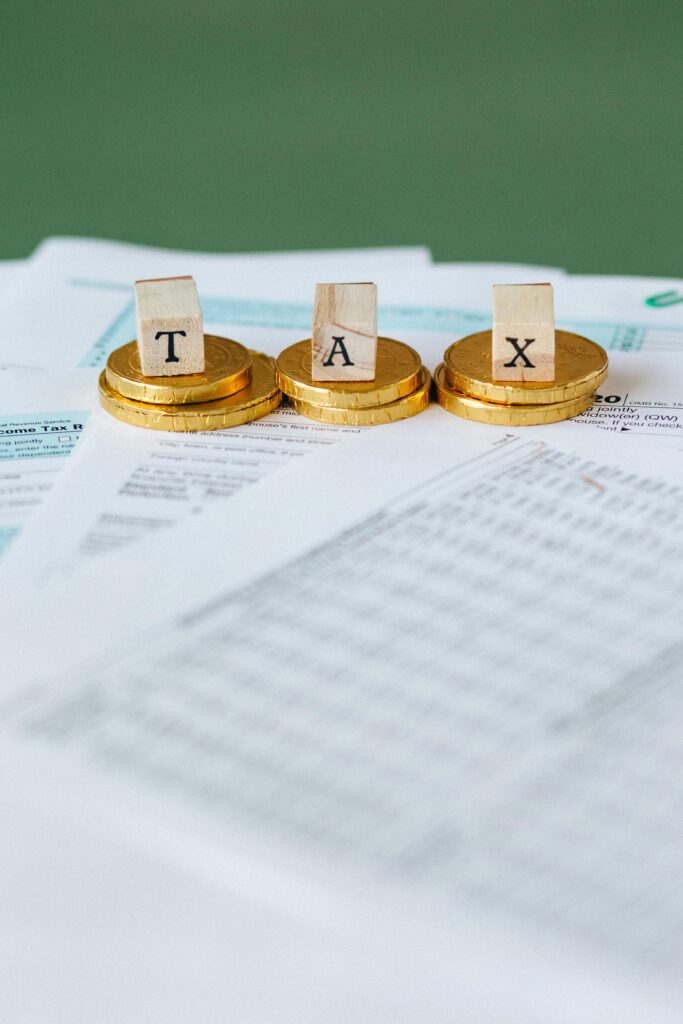
know all your tax allowances
Here are the main UK tax allowances for the current tax year (6 April 2025 – 5 April 2026)
Personal Allowances
Personal Allowance: £12,570 – income tax-free threshold. Tapers by £1 for every £2 earned over £100,000 (zeroed out at £125,140)
Blind Person’s Allowance: £3,130 additional tax-free (if eligible)
Marriage Allowance: Transfer up to £1,260 of unused Personal Allowance to a spouse (basic-rate taxpayer)
Savings Allowances
Personal Savings Allowance (PSA):
Basic-rate taxpayers: £1,000
Higher-rate taxpayers: £500
Additional-rate taxpayers: £0
Starting Rate for Savings: Up to £5,000 tax-free if non-savings income is low (under ~£17,570)
Investing Allowances
Dividend Allowance: £500 tax‑free dividends annually.
ISA Allowance: £20,000 total into any combination of cash, stocks & shares, innovative finance, or lifetime ISA; LISA limit within this: £4,000.
Capital Gains & Trading
Capital Gains Tax (CGT) Annual Exempt Amount:
Individuals: £3,000
Trusts: £1,500
Trading Allowance
£1,000 tax-free allowance for trading or miscellaneous income (deductible from gross receipts instead of expenses)
Pension Allowances
Pension Annual Allowance: £60,000 or 100% of relevant earnings (whichever is lower). High earners (adjusted income over £260k & threshold income over £200k) have taper reducing allowance to a minimum of £10,000.
Lifetime Allowance: Abolished as of 6 April 2024; replaced by lump sum/death benefit allowances.
Knowing these can help you plan and take advantage of them.
Generational Wealth
When people hear “generational wealth,” they often think only of passing down money or property. But true wealth isn’t just financial, it’s also the knowledge, habits, and values that help the next generation manage money wisely.
More Than Money
Savings provide a foundation, but financial education is equally important. Money management is rarely taught in schools, so it’s up to us to pass on the lessons we’ve learned.
Pass On Your Knowledge
Talk openly about money: Share how you budget, save, and even the mistakes you’ve made.
Teach the basics early: Help children understand spending, saving, and avoiding debt, from pocket money to their first job.
Involve them in real decisions: Include them in everyday financial choices, such as setting savings goals or comparing prices while shopping.
Set Good Habits
Saving before spending: Encourage setting aside a portion of any money they receive — pocket money, gifts, or wages.
Understanding debt: Explain the difference between “good debt” (e.g., student loans, mortgages) and “bad debt” (e.g., high-interest credit cards).
Investing for the future: Small amounts saved or invested regularly can grow over time, helping children learn the value of long-term planning.
5 Things to Teach Your Kids About Money Before They Leave Home
How to Budget
Show them how to track income and expenses.
The Power of Saving
Encourage saving a portion of money received from any source.
Understanding Debt
Explain interest, credit cards, and loans so they understand the real cost of borrowing.
Basics of Investing
Introduce concepts like compound growth, savings, or index fund investing. Highlight how money can grow over time.
Money Mindset
Encourage healthy attitudes: living within means, avoiding lifestyle inflation, and valuing financial independence over appearances.

Junior ISA
On the topic of generational wealth, a Junior ISA can be a useful way to start saving for your children’s future. By contributing early, you could help your child have a financial head start when they turn 18.
What is a Junior ISA?
A Junior ISA is a savings or investment account in the child’s name. Money cannot be withdrawn until the child turns 18. Junior ISAs can be opened for children under 18 living in the UK.
Types of Junior ISA
Cash Junior ISA: Your money earns interest tax-free.
Stocks & Shares Junior ISA: Contributions are invested, and any capital growth or dividends are tax-free.
Contributions and Rules
The annual allowance for a Junior ISA is currently £9,000 (tax year 2025/26).
This allowance is separate from your own adult ISA allowance.
Other family members can also contribute to a Junior ISA.
Using Junior ISA Funds
When your child turns 18, they can access the money.
They may choose to:
Continue saving for future goals such as a house deposit or retirement.
Use the money for education or other personal plans.
Things to Consider
Choose a platform carefully and check fees before opening an account.
Keep up to date with annual allowances and rules, as they can change.
For the latest guidance, see GOV.UK Junior Individual Savings Accounts.

When it comes to retirement, pensions, and long-term wealth, one thing is certain: rules will change over time. From state pension ages to tax allowances, the financial landscape you retire into may look very different from today.
While you can’t predict every change, you can build a plan that is flexible, resilient, and prepared for uncertainty.
Read our full guide on Planning for the Future to learn practical steps for protecting your wealth, managing risk, and staying on track for retirement

Disclaimer
The content on this website is for educational purposes only and does not constitute personal financial advice. Financial rules, tax laws, and market conditions can change, and outcomes will vary depending on your circumstances.
Before making any financial decisions about savings, pensions, investments, loans, or business ventures, you should seek independent professional advice. Past performance is not a guarantee of future results.
Links to third-party websites are for convenience and educational purposes only; we do not endorse or take responsibility for their content.